Child welfare is a system in the United States designed to keep children safe and support families. If you are a refugee or newcomer, understanding how this system works can help you protect your children, understand your rights, and know how to access support if concerns arise including what may lead to a report, what happens during an investigation, and what to expect if a case goes to court.
The resources found here are designed to help you stay safe and support your family from preventing and recognizing abuse or neglect, to helping your children identify trusted adults they can turn to, to understanding foster care: how it works, what your rights are as a parent, and the support available for youth who are currently in foster care or aging out of it. All services listed here are available to refugees and newcomers regardless of immigration status.
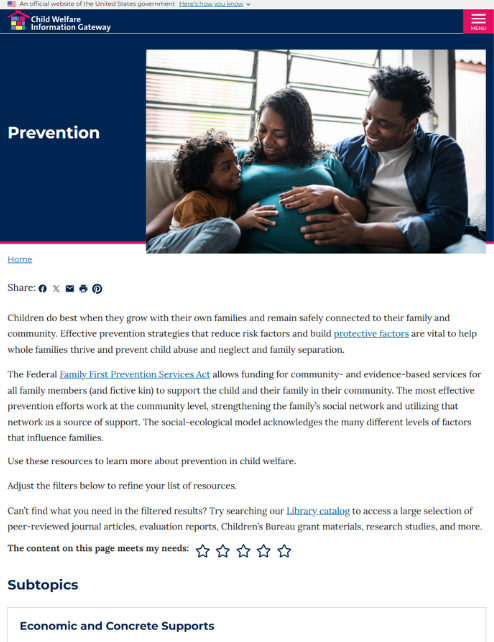
Description: This website explains the different types of child abuse and neglect.Identifies warning signs and provides practical ways parents and caregivers can protect children and strengthen their families.
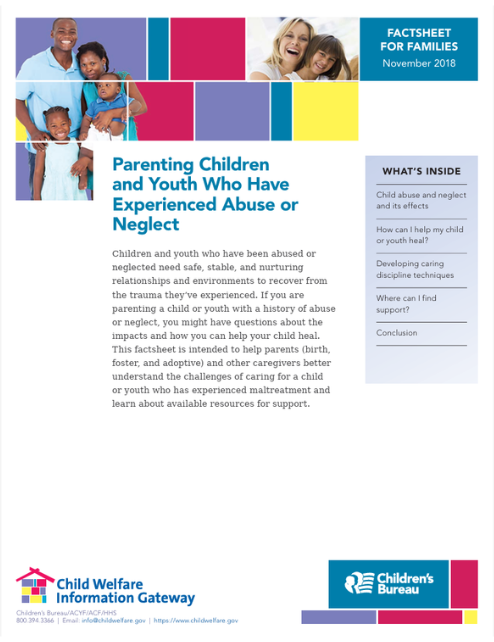
Parenting a Child Who Has Experienced Abuse or Neglect
Parenting a Child Who Has Experienced Abuse or Neglect
Resource Type: PDF
Source: Child Welfare Information Gateway
Languages: English
Description:Thisguide helps parents,and caregivers support children who have experienced abuse or neglect by providing tips for building trust, setting healthy boundaries,promotinghealing, and finding support services.
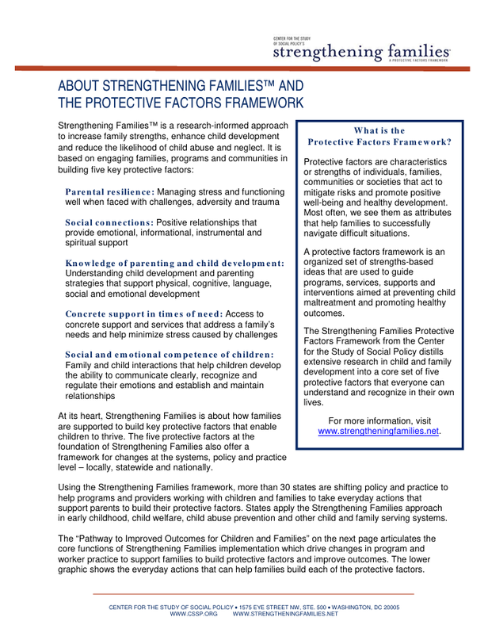
Strengthening Families: A Protective Factors Framework
Strengthening Families: A Protective Factors Framework
Resource Type: PDF
Source: Center for the Study of Social Policy
Languages: English
Description:This resource introduces Strengthening Families ProtectiveFactors Framework,which helpsstrengthen families, prevent abuse and neglect, and promote children’s healthy development by building five key protective factors.
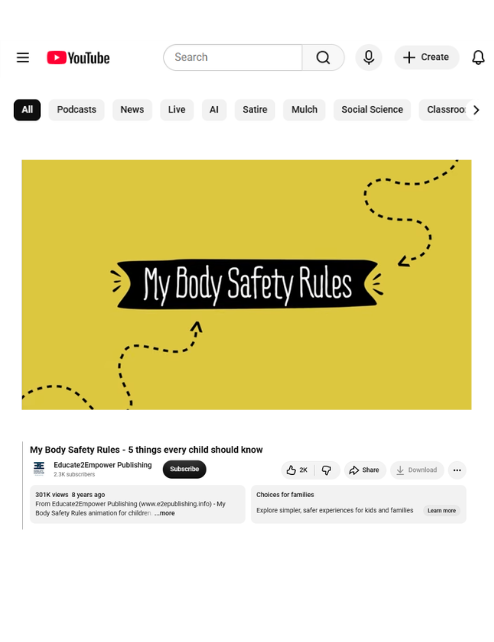
Description:This animated video helps youngchildren understandbody safety and personal boundaries and the importance of telling a trusted adult if they feel unsafe. Itssupportsparents and educatorstalkin starting age-appropriate conversations aboutpersonal safety and boundaries. Widely used in schools and community settings.
My Body Safety Rules: 5 Things Every Child Should Know
My Body Safety Rules: 5 Things Every Child Should Know
Resource Type: Video
Source: Educate2Empower
Languages: English
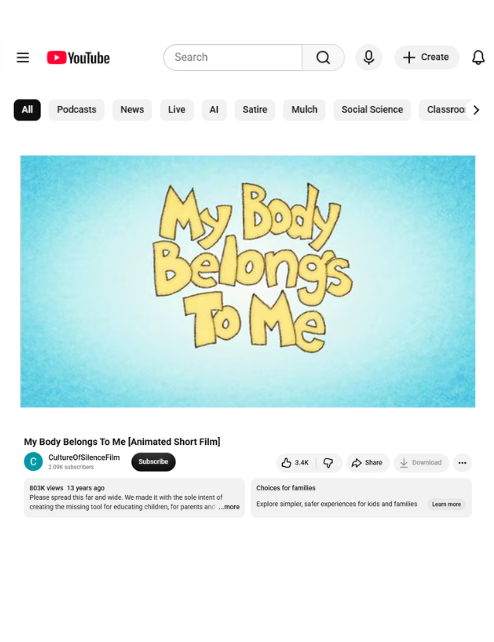
Description:This animated video teaches young children that their bodies belong to them and that they have the right to say “no” to unwanted touch. It reinforces body ownership, personal boundaries, and the importance of telling a trusted adult if someone makes them feel unsafe or asks them to keep an unsafe secret. Includes a free printable poster. Ideal for classroom or family viewing.
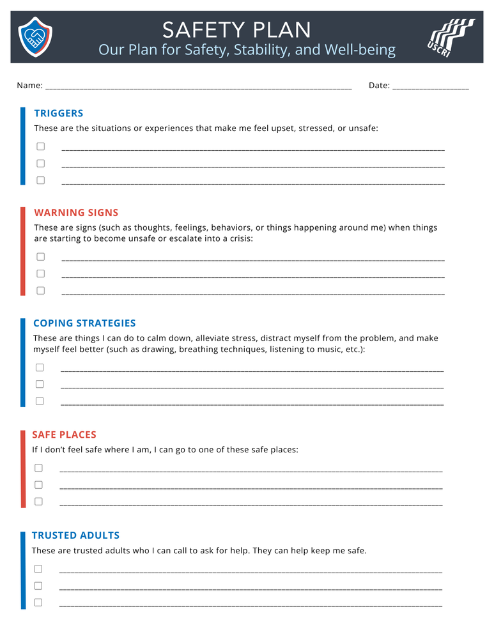
Description:This 3-page resource helps older children and teens create a personalized safety plan for coping with strong emotions, stress, or difficult situations. It guides youth in identifying warning signs, coping strategies, trusted sources of support, and steps they can take to stay safe and get help when needed.
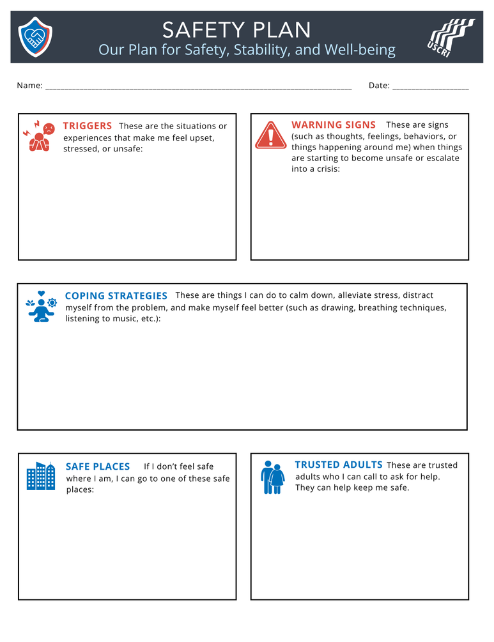
Description:This 3-page resource helps older children and teens create a personalized safety plan for coping with strong emotions, stress, or difficult situations using images. It guides youth in identifying warning signs, coping strategies, trusted sources of support, and steps they can take to stay safe and get help when needed.
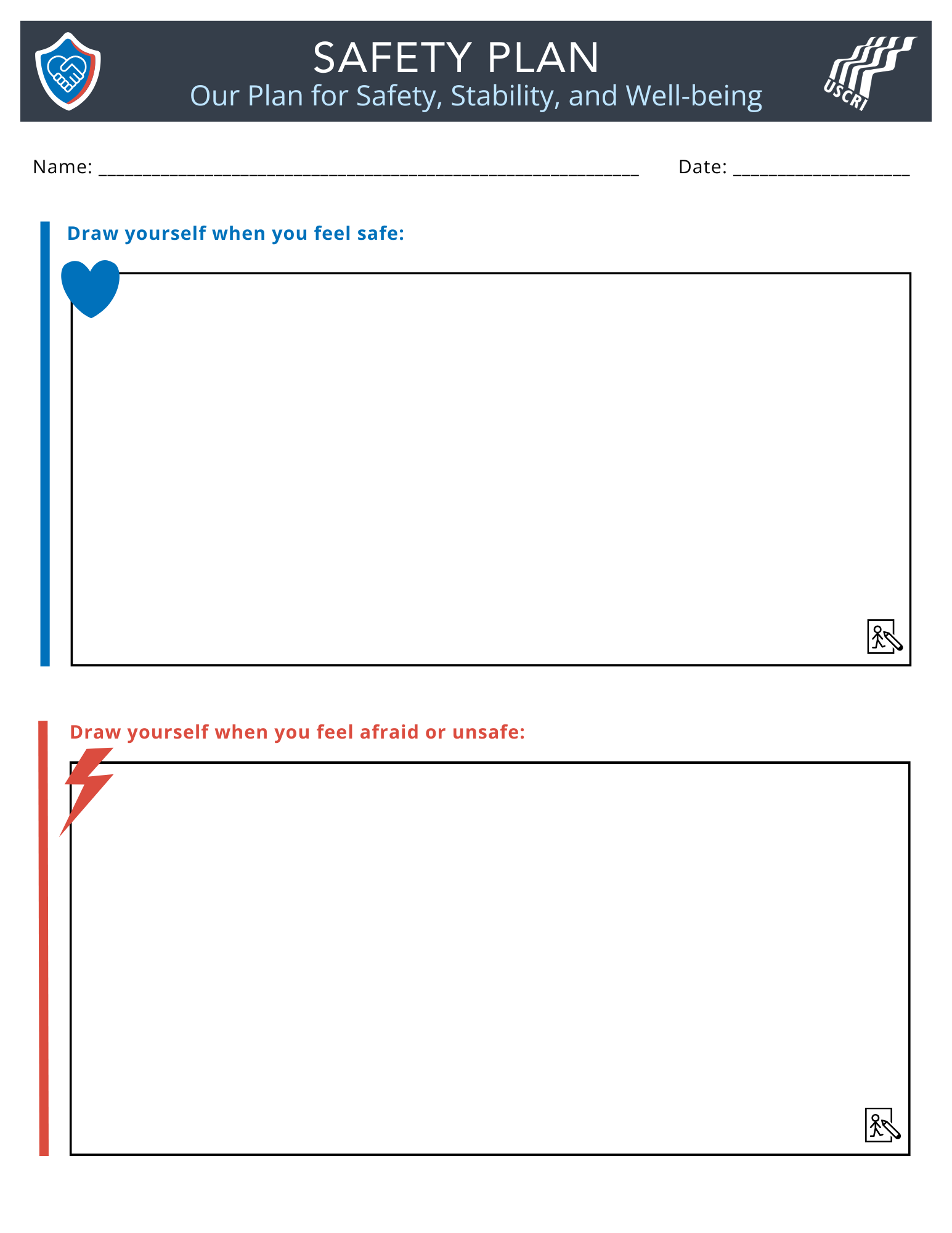
Description:This 5-page resource helps older children and teens create a personalized safety plan for coping with strong emotions, stress, or difficult situations using images. It guides youth in identifying warning signs, coping strategies, trusted sources of support, and steps they can take to stay safe and get help when needed.
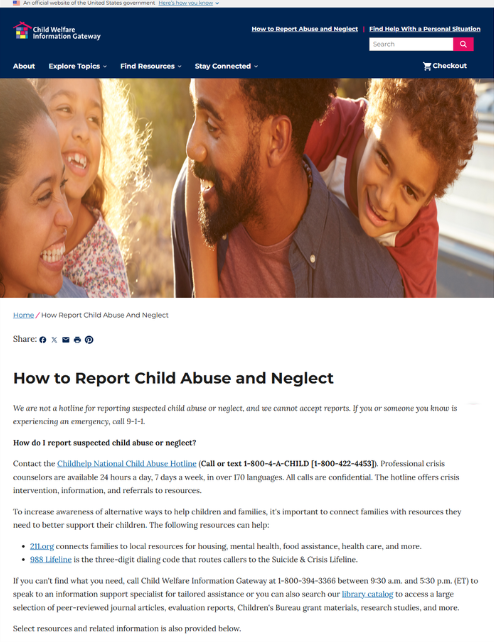
Reporting Child Abuse and Neglect: What You Need to Know
Reporting Child Abuse and Neglect: What You Need to Know
Resource Type: Website
Source: Child Welfare Information Gateway
Languages: English
Description:This resource explains who can make a report, what information to provide, what happens after a report is made, and how reporter confidentiality is protected.
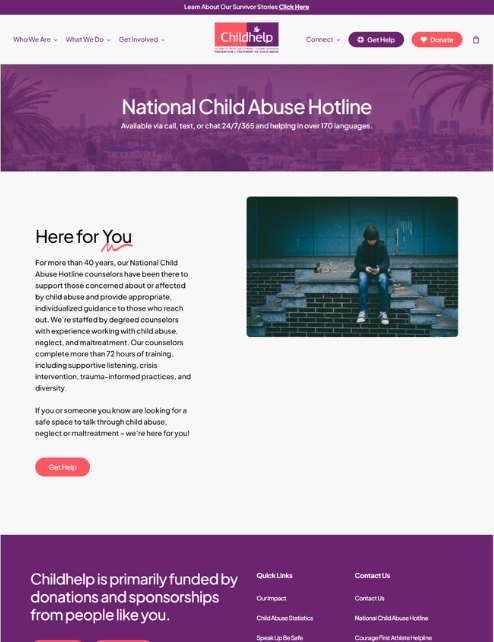
Description:This resource provides 24/7 confidential support in over 170 languages. Anyone can call with a concern about a child’s safety. Counselors answer questions, offer guidance, and help callers determine whether and how to make a report.
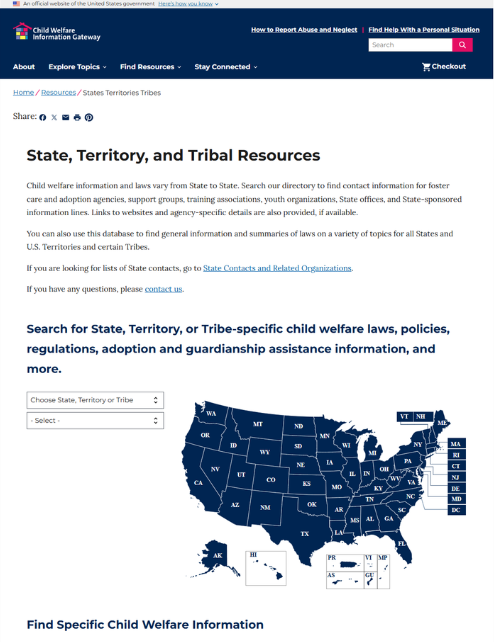
Description:A searchable directory of each state’s child protective services hotline and reporting system so you can find the right number for your location.