These webinars were presented live between August 2025 and August 2026 and are now available as recorded sessions. Access each recording, the slide deck, and each webinar’s associated resources by selecting a topic below.
Partnering with Parents & Caregivers: Strengthening Engagement to Promote Safety and Well-Being of Refugee & Newcomer Children & Youth
AUGUST, 2026
Addressing the Mental Health of Refugee Youth & Children, Part III: Supporting Newcomer Children & Youth Experiencing Suicidal Ideation and Self-Harm
JULY, 2026
Centering Youth Voice: Engaging and Including Newcomer Youth in Programs and Services
Bridging the Gap: Increasing Collaboration between Resettlement Providers, Child Welfare, & Schools to Meet the Needs of Newcomer Youth
APRIL, 2026
Identifying, Assessing, and Responding to Trafficking Concerns Involving Refugee Children & Youth
MARCH, 2026
Addressing the Mental Health of Refugee Children, Part II: Facilitating Effective Conversations with Youth and Families
FEBRUARY, 2026
Building Successful Futures: Empowering Newcomer Adolescents & Emerging Adults
JANUARY, 2026
Preventing & Responding to Placement Breakdowns Involving Newcomer Children & Youth
DECEMBER, 2025
From Arriving to Thriving: Supporting Refugee Youth Success in School
NOVEMBER, 2025
Addressing the Mental Health of Refugee Children & Youth, Part I: Practical Strategies for Trauma-Informed, Culturally Responsive Support
OCTOBER, 2025
Engaging with Refugee Youth & Fostering Resilience in Different Stages of Development
SEPTEMBER, 2025
Understanding Child & Adolescent Development & the Impact of Resettlement on Refugee Youth
AUGUST, 2025
E-LEARNING SERIES
This three-course e-learning series is designed for independent, self-paced learning. We recommend completing all three courses as a series.
Best Practices for Working with Refugee and Newcomer Children and Youth
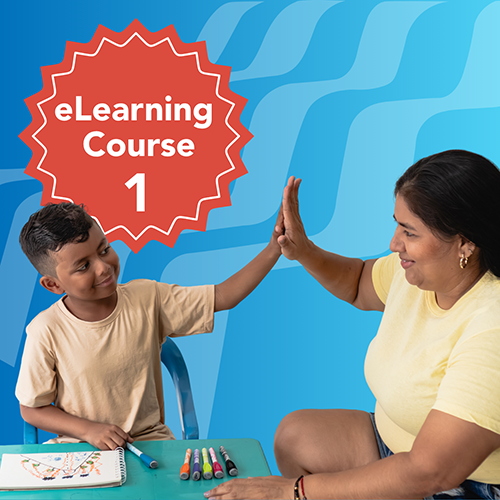
1. Introduction to Refugee and Newcomer Children and Youth
This E-Learning module provides a foundational understanding of refugee and newcomer youth. Participants will learn:
Who refugee and newcomer youth are
The factors that contribute to forced displacement of youth
The impact of the triple-trauma paradigm on youth
Insight into the realities of resettlement in the U.S.
Common strengths and protective factors that newcomer youth bring to their communities
Estimated time to complete: 60 minutes
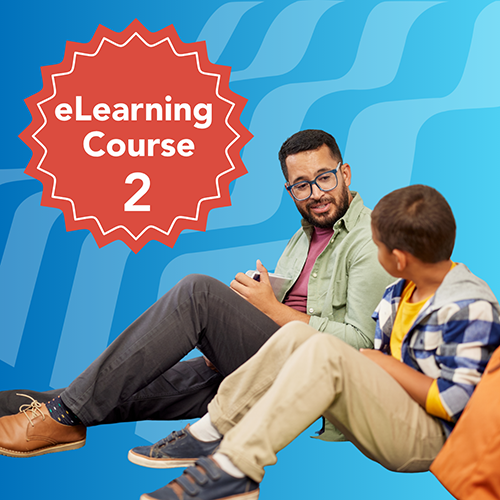
2. Applying Trauma-Informed Care with Refugee Children, Youth, and Families
This E-Learning module provides a foundation understanding of trauma and trauma-informed care when working with refugee and newcomer children and youth. Participants will learn:
The fundamentals of trauma and ways trauma may present in refugee and newcomer children and youth
Signs and symptoms of trauma in children and youth of varying ages
How to apply trauma-informed approaches to your work with refugee and newcomer children and youth
Important considerations when working with refugee and newcomer children and youth, such as cultural, historical, and identity issues
How to practice self-care as a provider and about secondary traumatic stress
Estimated time to complete: 60 minutes
3. Talking about Mental Health with Refugee Children, Youth, and Families
This E-Learning module builds on previous modules, discussing how to have effective, non-stigmatizing conversations about mental health with refugee children, youth and families. Participants will learn:
Common mental health concerns and expressions of emotional distress experienced by refugee children and youth
Frequent barriers to engaging in mental health services
Key approaches to having conversations about mental health including psychoeducation and destigmatizing language
Guidelines for determining when mental health services are indicated and how to connect with care
Estimated time to complete: 60 minutes
READY-TO-USE TRAININGS
These trainings have been developed and recorded for refugee-serving providers to use to train their own teams, partners, and/or volunteers.
Introduction to Refugee & Newcomer Youth
This recorded training provides an overview of refugee and newcomer youth, including their backgrounds, experiences, strengths, and common challenges.
In this training participants will:
Understand who refugee and newcomer youth are and the pathways through which they come to the United States
Recognize common trauma, experiences, and stressors newcomer youth may face before and after resettling in the U.S.
Identify trauma-informed and culturally responsive approaches to best support newcomer youth
This recorded training prepares mentors to support newcomer and refugee youth using culturally responsive, trauma-informed approaches while maintaining healthy boundaries.
In this training participants will:
Understand the role and responsibilities of a mentor working with refugee and newcomer youth
Incorporate trauma-informed and culturally responsive practice in mentorship
Set healthy boundaries with refugee and newcomer youth and families
Recognize signs of burnout and identify self-care strategies to support