Everyone deserves to feel safe at home, at school, in their community, and online. It is important to know what the various types of violence are, how to protect yourself and your family, and where to turn for help and support.
Violence can take many forms. It is not just physical harm; it can also include threats, emotional abuse, bullying, online harassment, and more. Violence affects people of all ages, backgrounds, and communities. Recognizing that it is never your fault is the first step to staying safe and getting help.
Some common types of violence include:
Physical violence: hitting, pushing, or physically harming another person
Emotional or verbal abuse: name-calling, threats, humiliation, or controlling behavior
Bullying: repeated harmful behavior meant to hurt, embarrass, or control someone, including online (cyberbullying)
Community violence: shootings, gang activity, or other violence that happens in public spaces, schools, or neighborhoods
Teen dating violence: abuse or controlling behavior in a romantic relationship between young people
Sexual violence: any sexual activity that happens without a person’s full, willing consent
This page has information and resources on preventing violence, supporting young people, and finding help if you or someone you know is in an unsafe situation. All resources are free and available to you, regardless of immigration status.
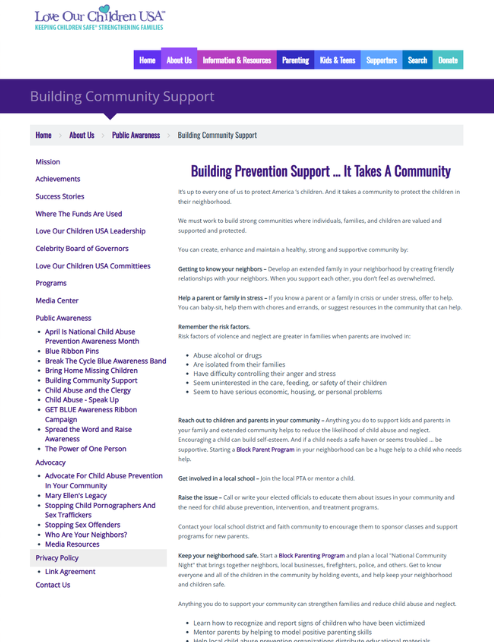
Parents and caregivers play one of the most important roles in keeping children and young people safe. Talking openly with your children about safety, healthy relationships, and what to do if something feels wrong can make a big difference. The resources below can help you have these conversations and support your child if they are experiencing bullying, violence, or other challenges.
Talking with your Children About Safety
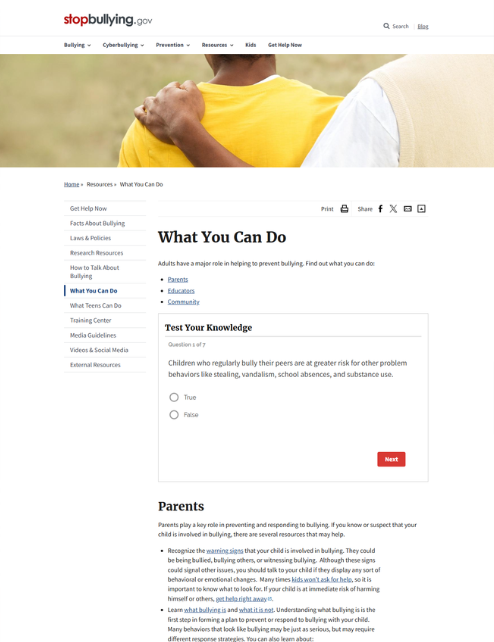
What You Can Do
What You Can Do
Resource Type: Website
Source: StopBullying.gov
Languages: English
Description: This official government website discusses tips for parents on how to recognize bullying, talk with your child, and work with schools.
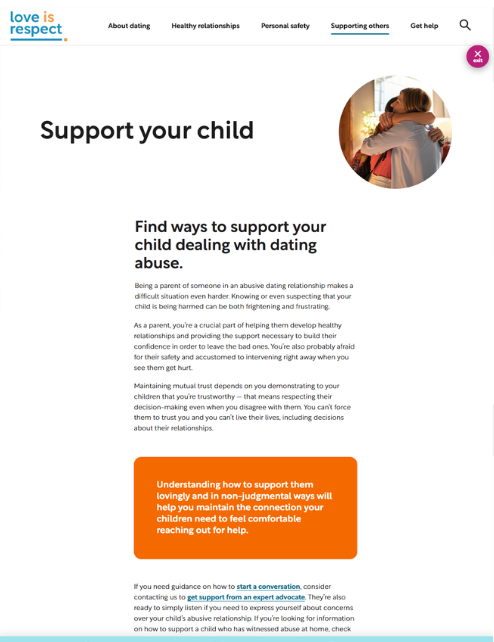
Description: This website provides guidance with parents about how to start conversations with teenagers regarding healthy relationships and dating violence.
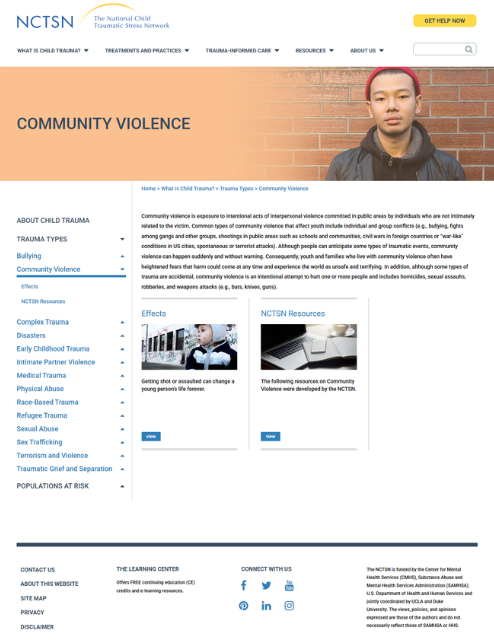
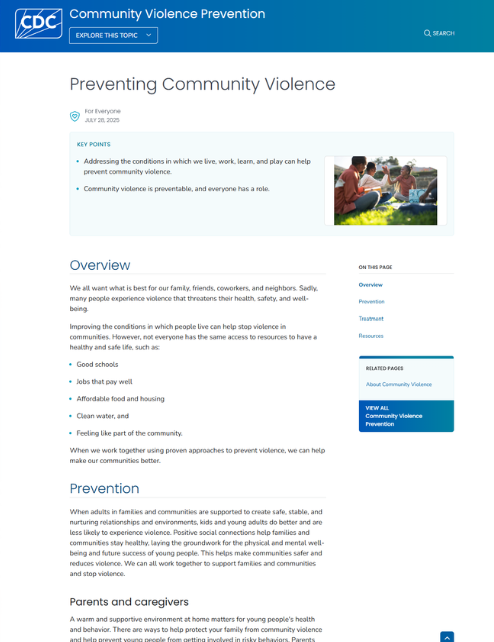
Description: This website discusses various types of community violence, how it affects children, and how families can help. There are links to more in-depth resources.
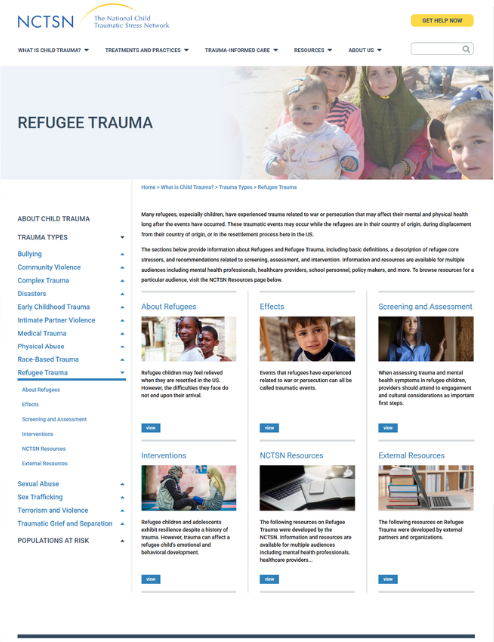
Refugee and Immigrant Children: Trauma and Healing
Refugee and Immigrant Children: Trauma and Healing
Resource Type: Website
Source: NCTSN
Languages: English
Description: This website provides in-depth information about how trauma from displacement and violence affects refugee children, how to assess the mental health of children, and how to support them.