The Refugee Act of 1980 was a bipartisan law that reformed the U.S. refugee policy and standardized the U.S. definition of a refugee, aligning it closer with international standards set by the 1951 Refugee Convention and the 1967 Protocol. The bill also formalized a system for refugee protection and resettlement so that victims of persecution, war, and violence could begin a new life in the U.S.
Since then, Congress has made additional changes to U.S. immigration law, expanding the ways people can come to the United States through humanitarian immigration programs. In addition to the U.S. Refugee Admissions Program that admits individuals as refugees to the U.S., these programs include:
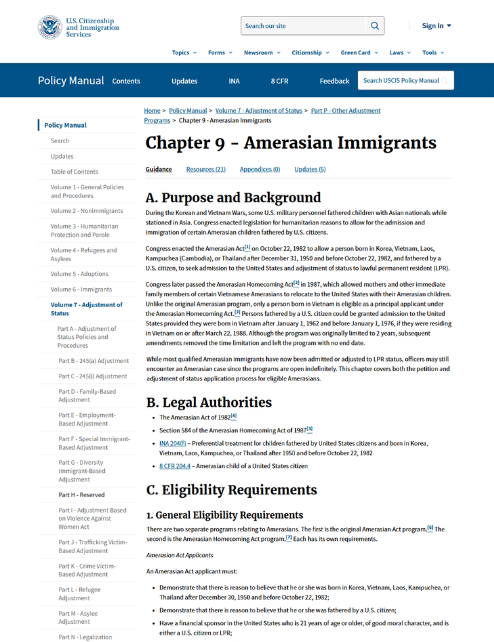
Amerasians
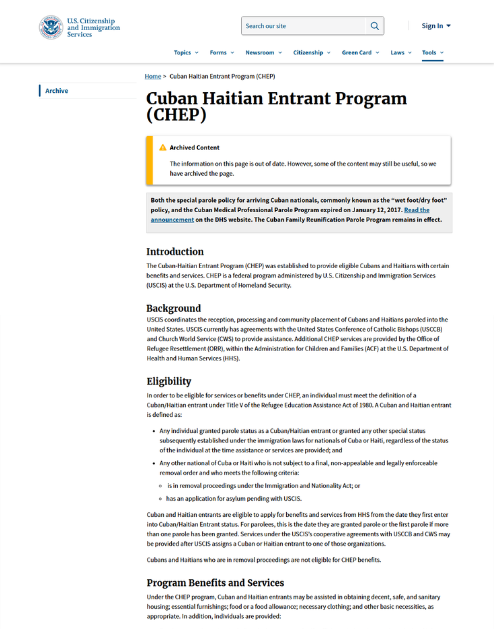
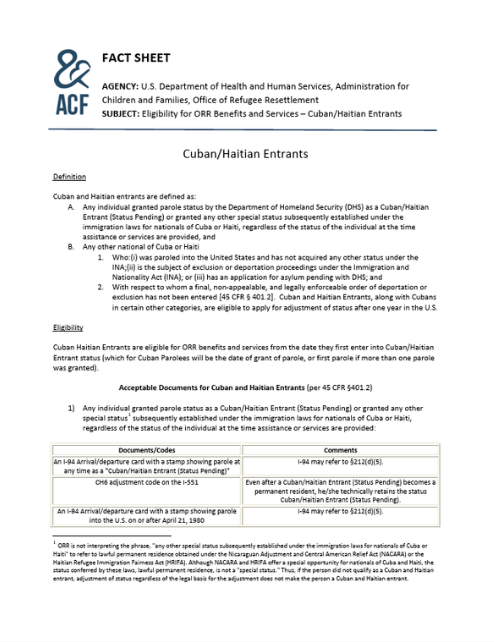
Cuban and Haitian Entrants
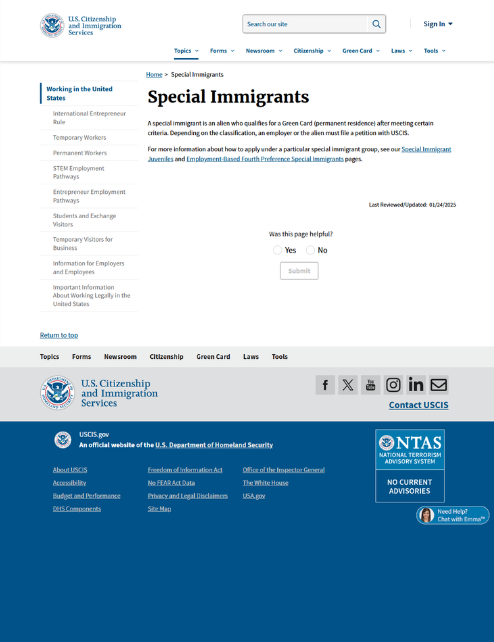
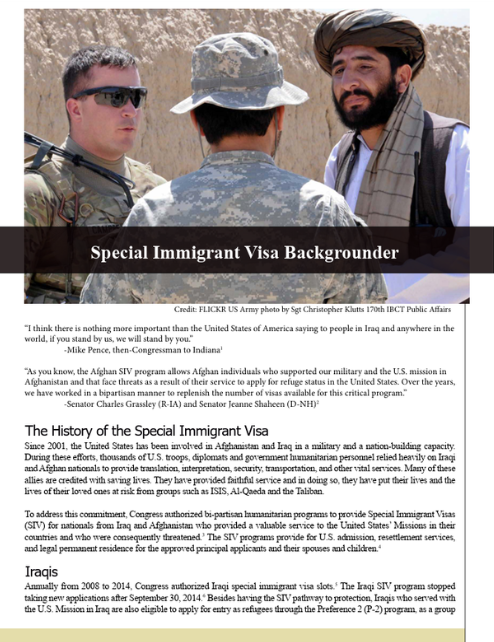
Afghan and Iraqi Special Immigrants
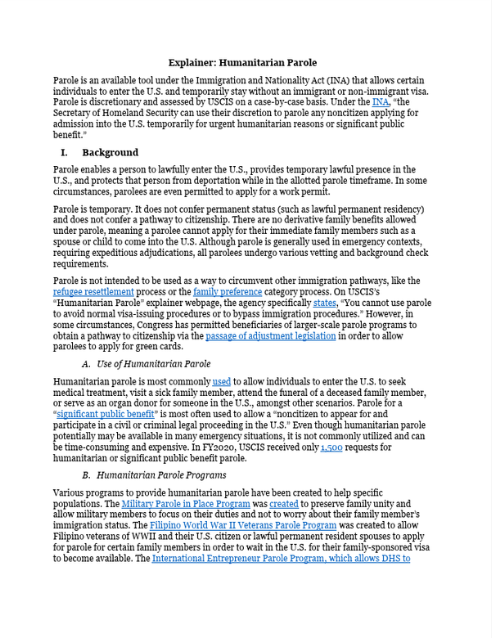
Afghan and Ukrainian Humanitarian Parolees
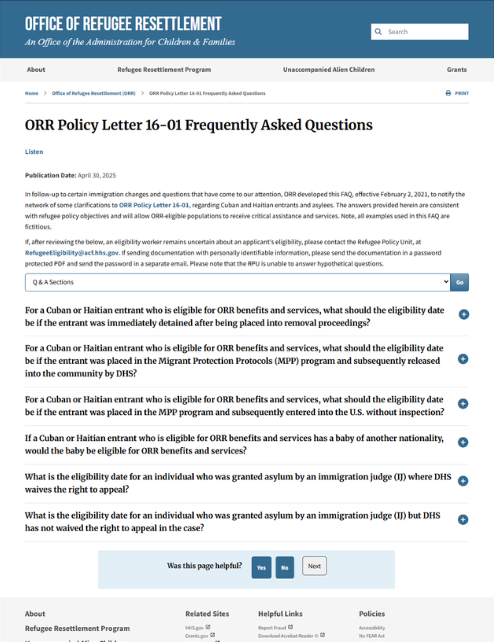
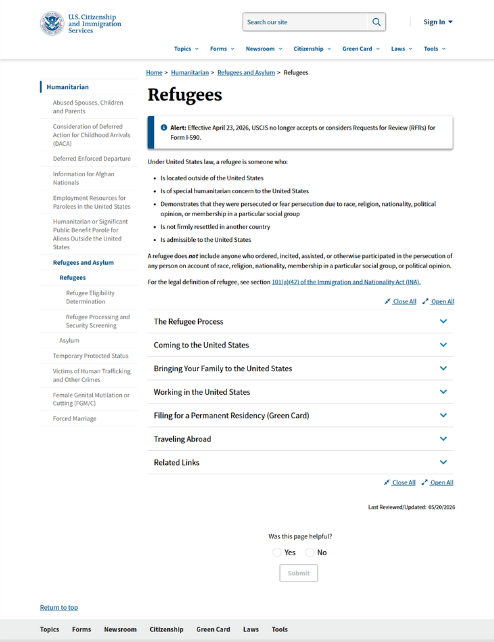
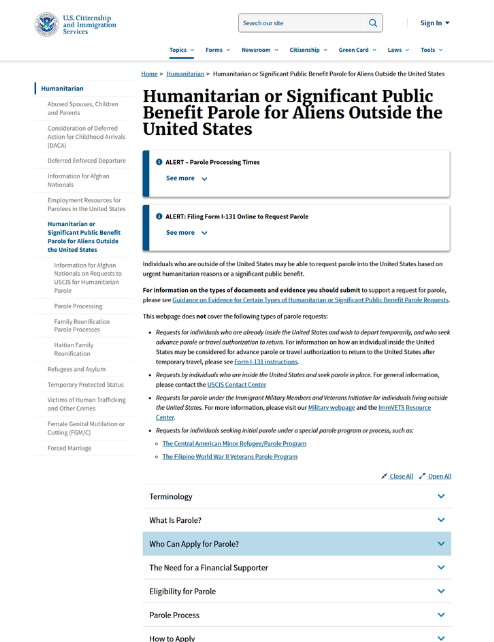
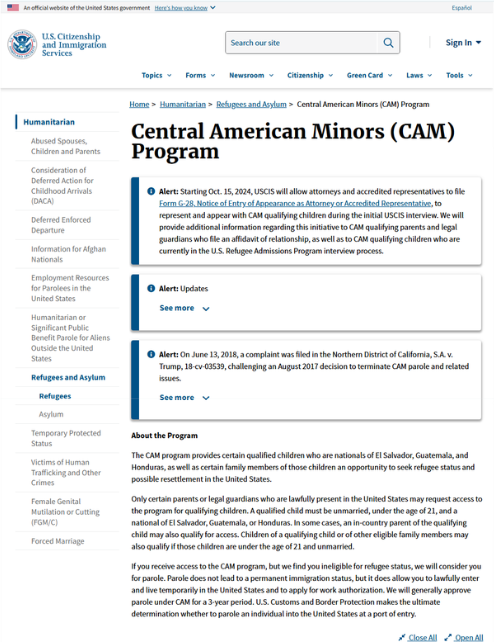
Descriptions of these legal categories and information on these humanitarian immigration programs can be found in the resources below:
RESOURCES: Legal Pathways to the U.S.
for Providers
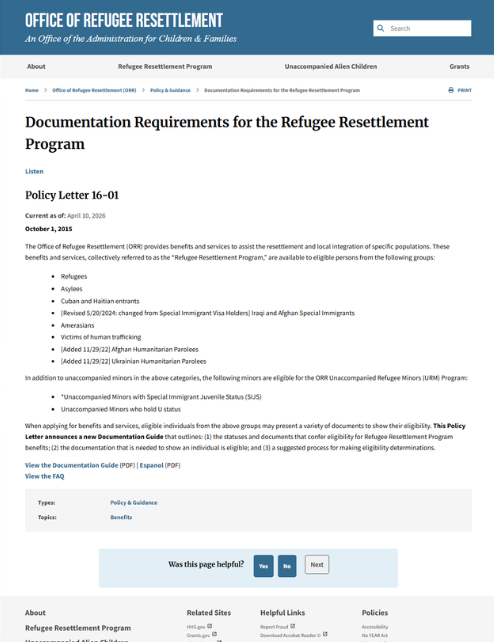
Documentation Requirements for the Refugee Resettlement Program
Documentation Requirements for the Refugee Resettlement Program