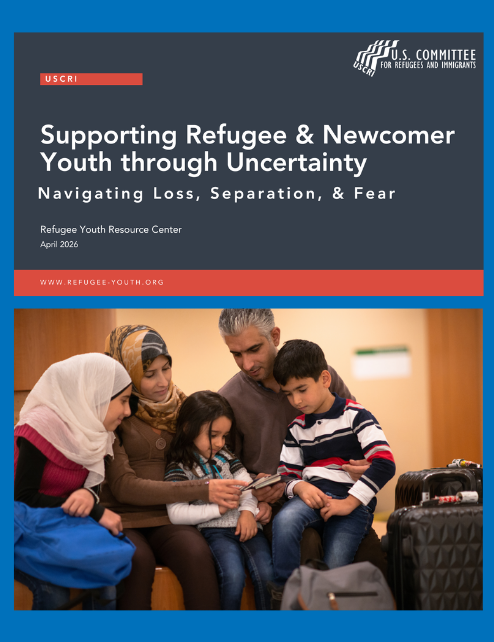
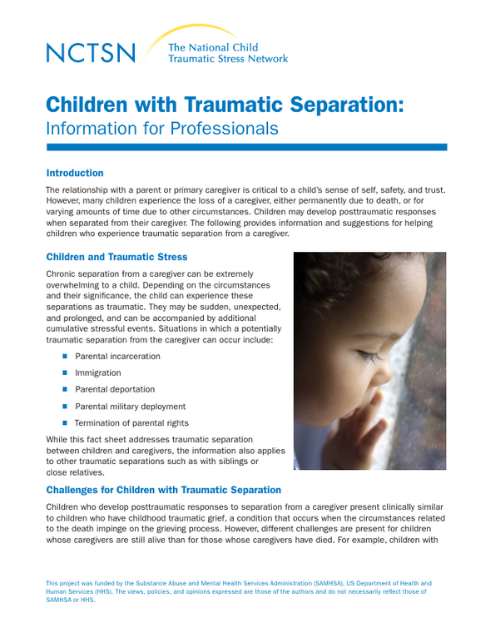
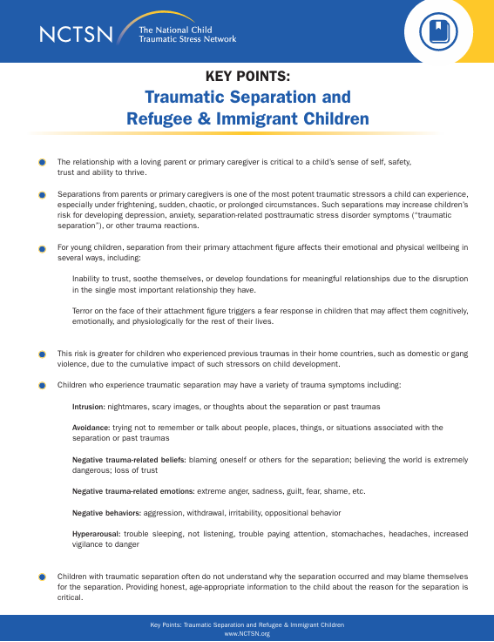
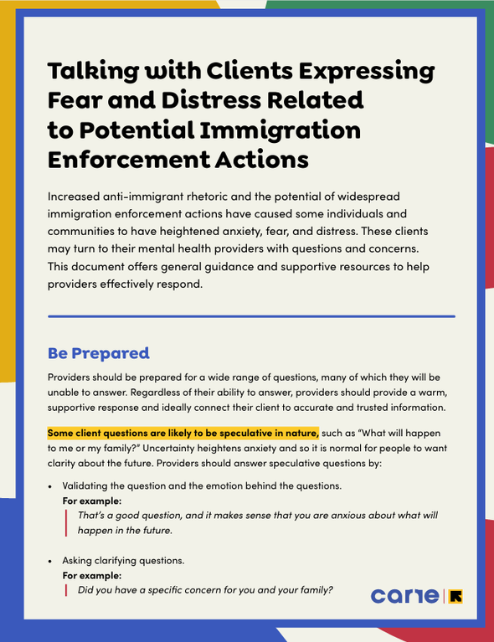
Grief, loss, and separation are common experiences for many refugee children and youth, as forced migration often involves leaving behind loved ones, homes, communities, and familiar ways of life. Some young people may also experience prolonged or traumatic separation from parents or caregivers during displacement, migration, or resettlement, leading to complex feelings of sadness, worry, guilt, anger, or uncertainty that can affect their mood, behavior, relationships, and sense of stability as they adjust to life in the United States. For providers working with refugee youth, understanding grief, loss, and separation is important for recognizing how these experiences may shape a young person’s emotional responses and needs. Youth may express grief differently depending on their age, culture, and individual coping style, and their reactions may not always look like what providers expect. By learning more about these experiences, providers can respond with greater empathy, avoid misinterpreting emotional or behavioral changes, and support youth and families as they rebuild connections, strengthen support systems, and adapt to new environments during resettlement.
RESOURCES: Grief, Loss, and Family Separation
for Providers
Grief and Loss
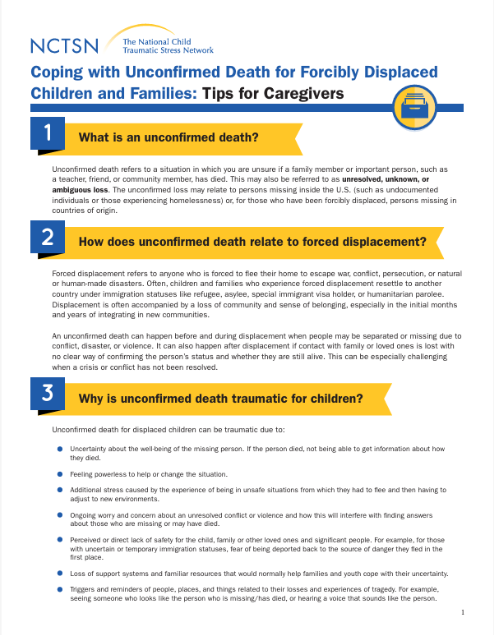
Coping with Unconfirmed Death for Forcibly Displaced Children and Families: Tips for Caregivers
Coping with Unconfirmed Death for Forcibly Displaced Children and Families: Tips for Caregivers
Resource Type: Handout
Source: National Child Traumatic Stress Network (NCTSN)