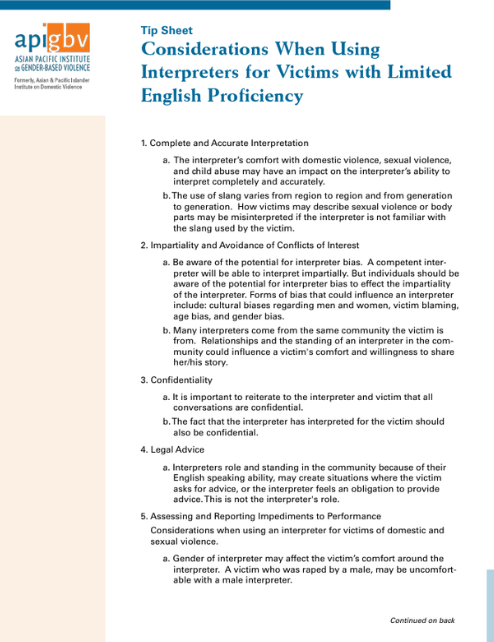
Newcomer children and youth arrive in the United States with various levels of English. Providers should avoid making assumptions about a family’s ability or preference to communicate in English. Instead, ask families what language they prefer to use and offer professional interpretation and translated materials when needed. Taking this trauma-informed and culturally responsive approach helps ensure families understand important information, can participate fully in conversations, and do not feel pressured to communicate in a language that is not their preferred language. Newcomer youth are also often burdened with providing interpretation for their parents or caregivers; as providers, it’s crucial to ensure professional interpretation is provided, rather than relying on youth to interpret, especially in settings where sensitive or age-specific information is being communicated.
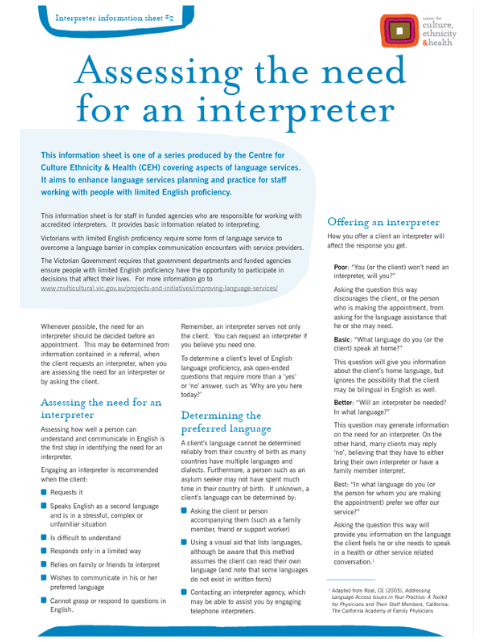
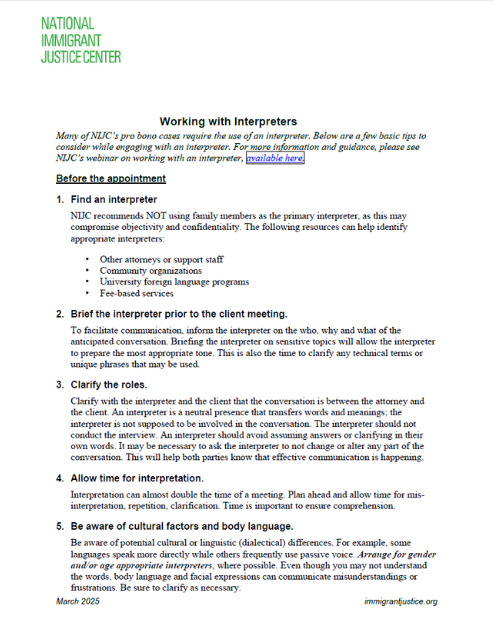
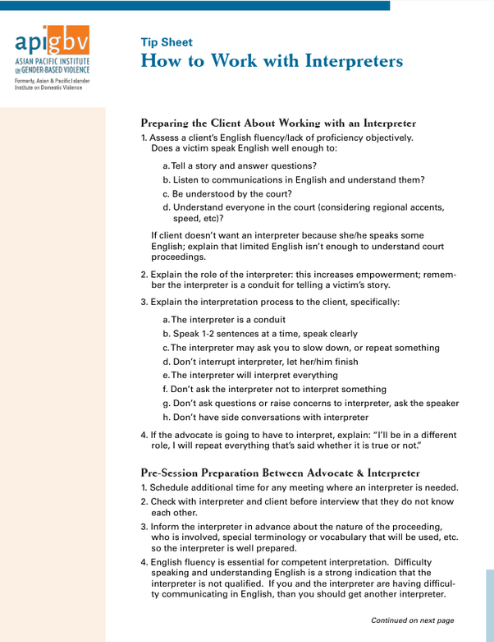
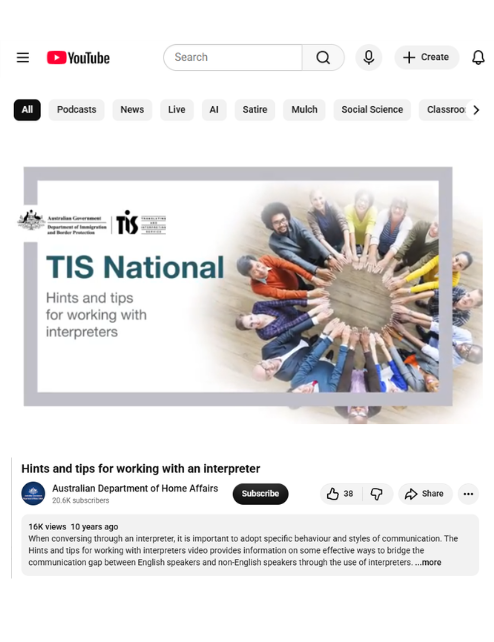
The resources below offer information on language access laws and best practices when working with interpreters.
RESOURCES: Working with Interpreters
for Providers
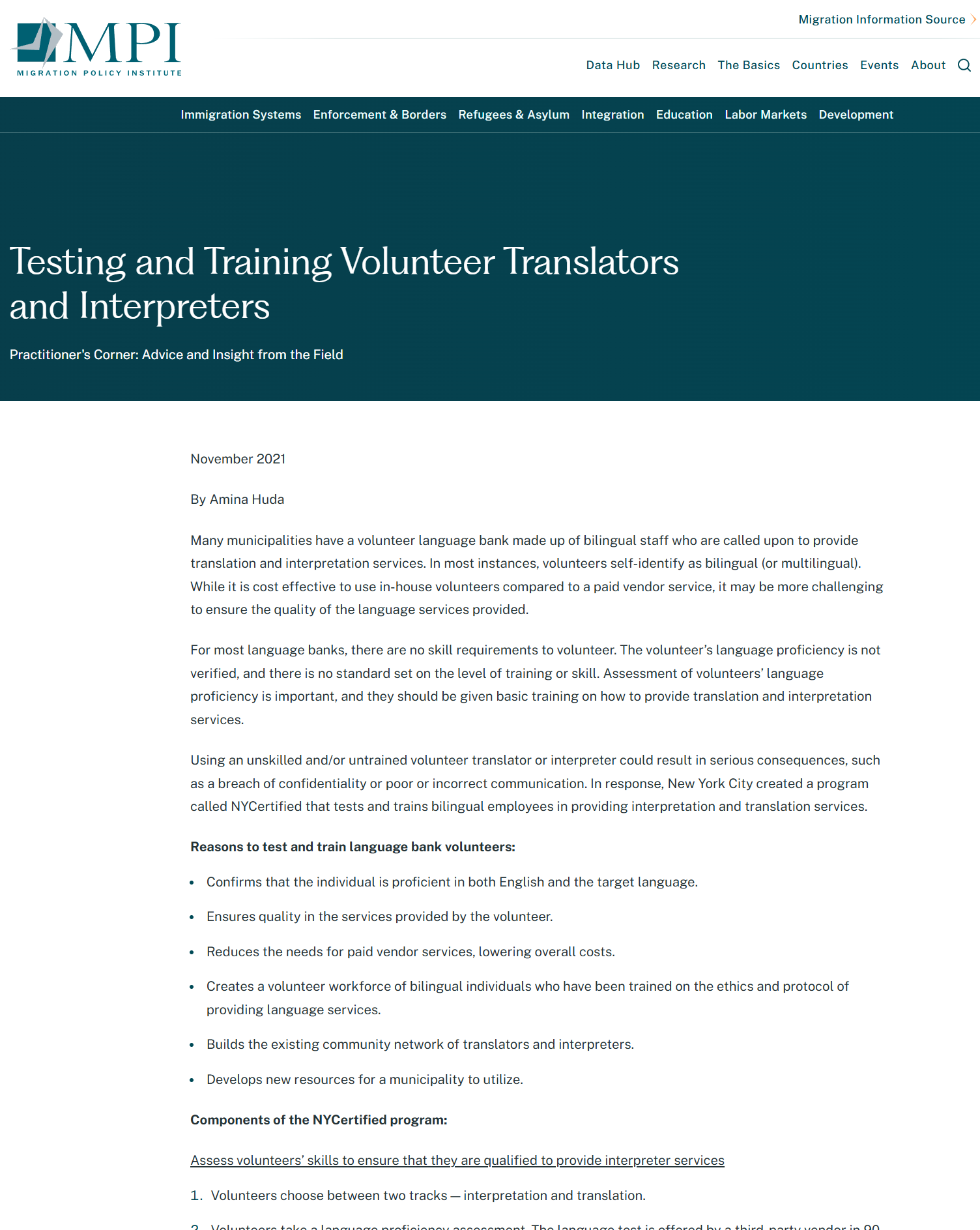
Testing and Training Volunteer Translators and Interpreters
Testing and Training Volunteer Translators and Interpreters