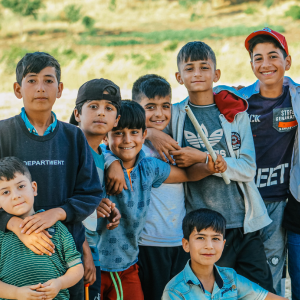
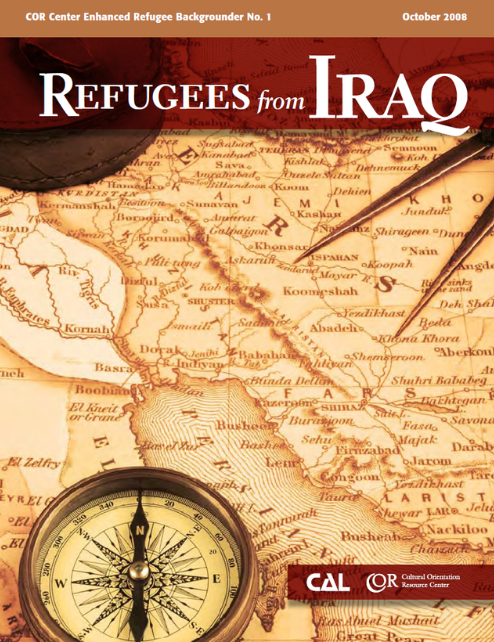
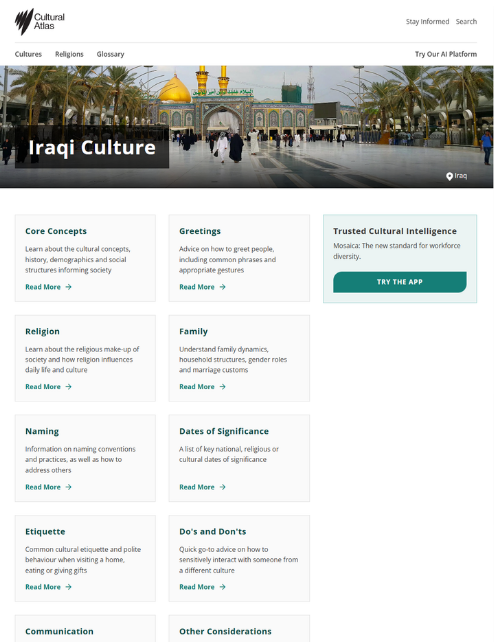
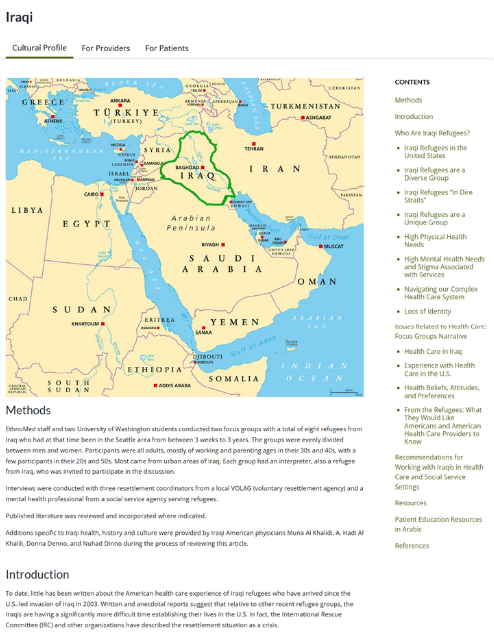
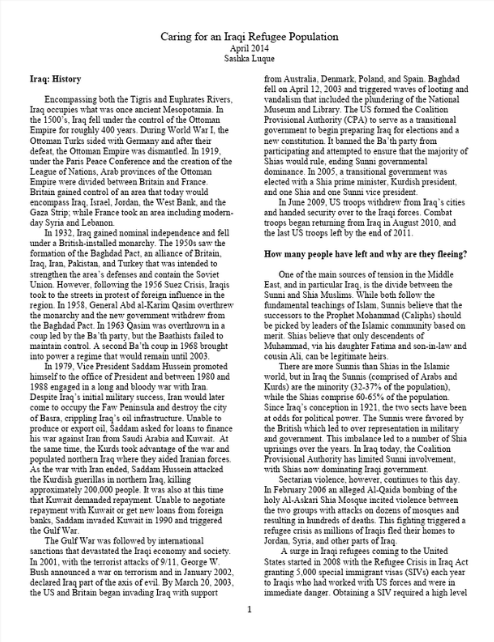
As “the land between the rivers,” that being the Tigris and the Euphrates, Iraq has been referred to as the “Cradle of Civilization.” In more recent history, Iraq and its citizens have experienced nearly four decades of back-to-back wars, from the Iran-Iraq war to the Kurdish Genocide, the Gulf War, the U.S.-led invasion of Iraq, and the Battle of Mosul. These events have led to political instability, sectarian violence, and insurgencies. As a result, many Iraqis have faced displacement several times.
In 2014, Da’esh (also known as ISIL, ISIS, or the Islamic State) took over nearly a third of Iraqi territory, including the second largest city, Mosul. At that time, millions fled their homes to other parts of the country and region. In the ten years since, the latest data shows that nearly 1 million Iraqis are still internally displaced.
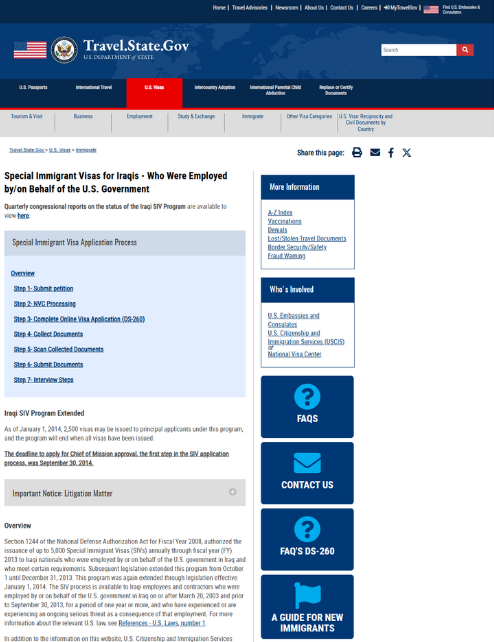
Since 2012, Iraqis have made up nearly 13% of those admitted to the U.S. through the Refugee Admissions Program (USRAP). In the last decade, over 40,000 Iraqis were resettled in the States through USRAP or granted asylum, while over 10,000 Iraqis arrived through the Special Immigrant Visa (SIV) program.
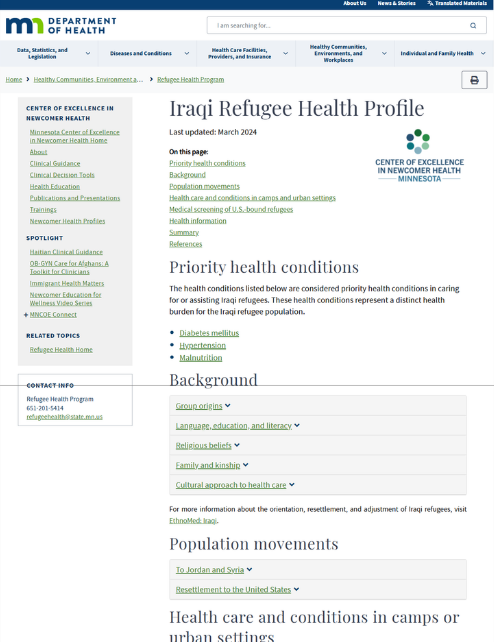
Additional resources for providers supporting Iraqi children and youth are below.